
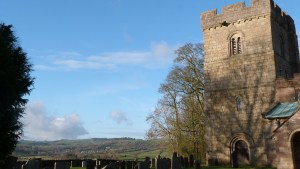
These churchcrawling trails are an attempt to make my decade or so experience going round England’s medieval churches somewhat useful to you. As I have now started to revisit regions, I’m just beginning to connect up the dots of the masses of heritage that we have hidden in our towns and countryside. But I’m not intending these to go in a book, oh no. I’ve made blog posts and Google Maps for each one and will be regularly releasing them from now on. I’m not intending to make a comprehensive write-up no one will read, or a photo gallery no one will look at, I instead want to entice you to visit these places yourself. Some stuff is better left as a total surprise.
Either browse the Churchcrawling Trails category, or the map below. Green are available, red are in draft coming soon: it’s not meant as a tease, it’s just you can’t hide categories on a public map and it’s the least hassle for me. But it is indeed a good tease for what’s coming soon.
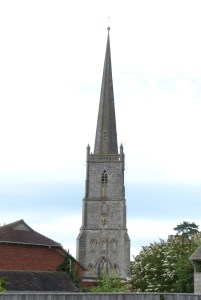
Unlike most guides to churches, that only focus on the “best” over a large area, here I focus on the idea that just about everything is worth having a look. Generally however, there is a standout, unmissable centrepiece, and I list them down from that down to the “deep cuts”. Some churches may only take a few minutes to look at, some you can easily spend over an hour. Generally it’s about 10 minutes drive between each church, but larger distances will be noted. Routes are not dictated, because practicalities depend on where you are travelling from, except if geography forces a single route. Ten I find is a good number for a generous summer’s day, but you might want to go at a leisurely pace. Flexibility is always the key to a successful day out.
But you can only be flexible in those lovely places where churches are generally accessible. The areas I have chosen mostly feature churches that are normally open in daylight hours, all year round. Some churches, if they aren’t that interesting and the way they’re locked up is clearly unfriendly, I’ll miss them out. If any often lock up early, or if you sometimes need to find a key, then I’ll give tips. No responsibility can be assumed on my part if you have a particularly unlucky day, but I think it’s very unlikely that you could ever have a total disaster. These are of course planned with a car in mind, and do contain tips on parking, except for ones in city centres (e.g. London, Bristol), which are intended for on-foot.
I will leave comments open on these: please do feel free to give some feedback or corrections. If there’s a church I’ve missed out you think is worth visiting, feel free to recommend it, although it may be I’ve held it back for a future trail.
A few general tips on churchcrawling for beginners
Feeling welcome
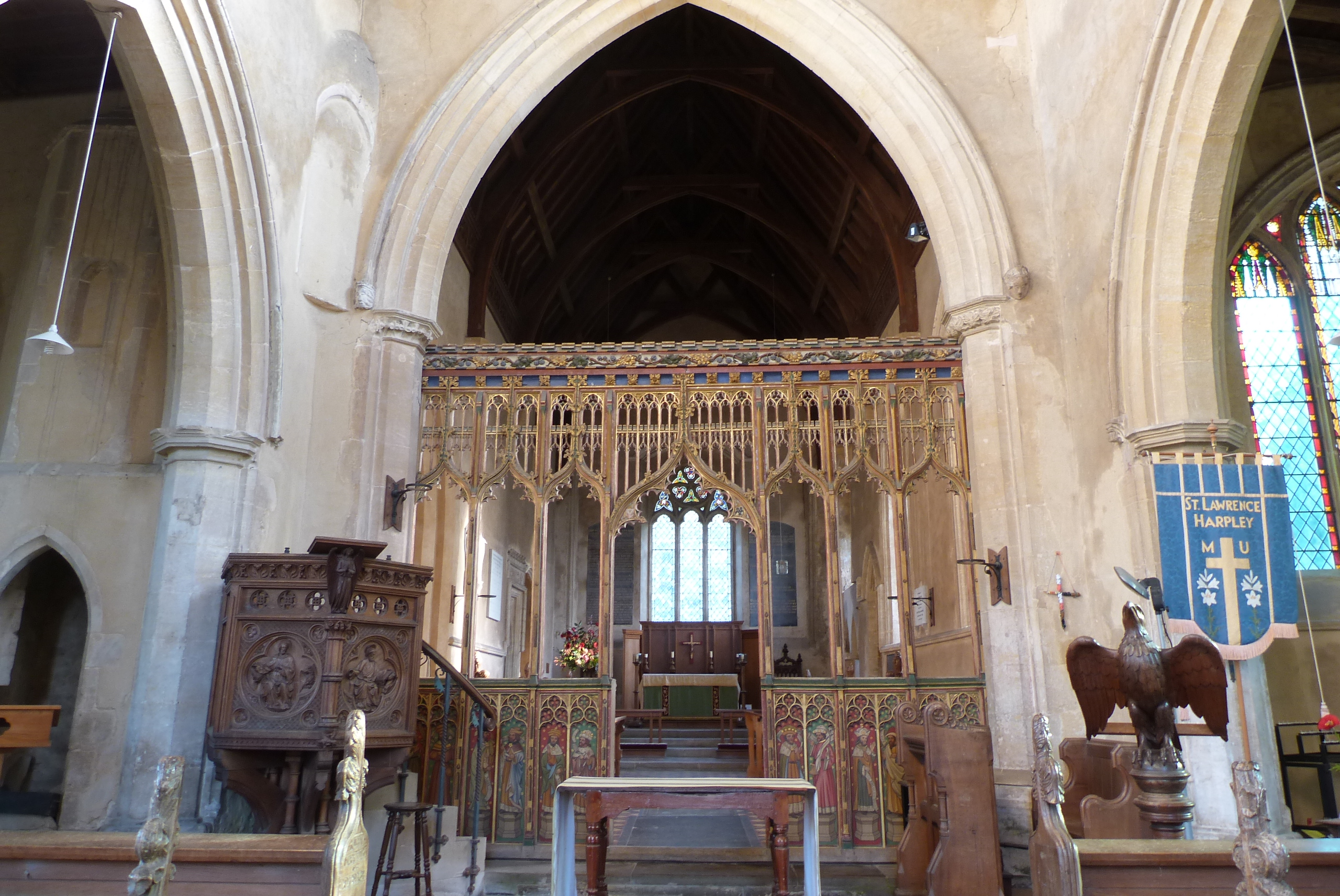
Churches are not the property of their villages, and are as much yours as they are theirs. For the vast majority of English churches, everyone is a welcome guest. You won’t ever be quizzed on the Bible by a country parson: if you encounter someone, they’ll probably just be pleased that you’re visiting. Don’t mistake custodians’ surprise and curiosity as hostility! Common courtesy is to sign the guestbook (evidence of visitors invaluable for heritage funding applications) and leave a donation if you are able. And let’s be honest, if you’re running a car, you almost certainly can.
It might almost go without saying that Sunday morning is not the best time to go visiting churches unless you intend to attend the service, unless you go to ruined abbeys, Churches Conservation Trust properties, or work out where doesn’t have a service that week in multi-village benefices. The one thing CofE churches are touchy about (small midweek services in huge cathedrals aside) is doing anything even vaguely touristy during a service, so do respect that and wait till everyone’s drinking tea at the back to look round or take photos.
Giving a little back

Guidebooks
Church guide books are generally present in any open church. While vital to help people unfamiliar with Christian buildings explore, you will find that they can quickly get tedious as they try and explain the whole of British history through their humble little building for the umpteenth time, mixed with tedious lore about leper squints, Queen Elizabeth visiting and Cromwell stabling his horses here. Printed paper guides usually are priced at around £1.50-2.50 for fundraising purposes (£3 is a bit much, and into what should be glossy book territory), but it’s perfectly fine to look at the guide while you visit the church and then return it, leaving a smaller donation. In fact, I encourage this, as it means churches don’t have to expend resources to keep printing more of them out. And quite honestly: you’ll probably just end up with a big jute bag of the things you never look at, and then have to tip the lot in the recycling when you have a clear-out of all your crap.
Knowledge
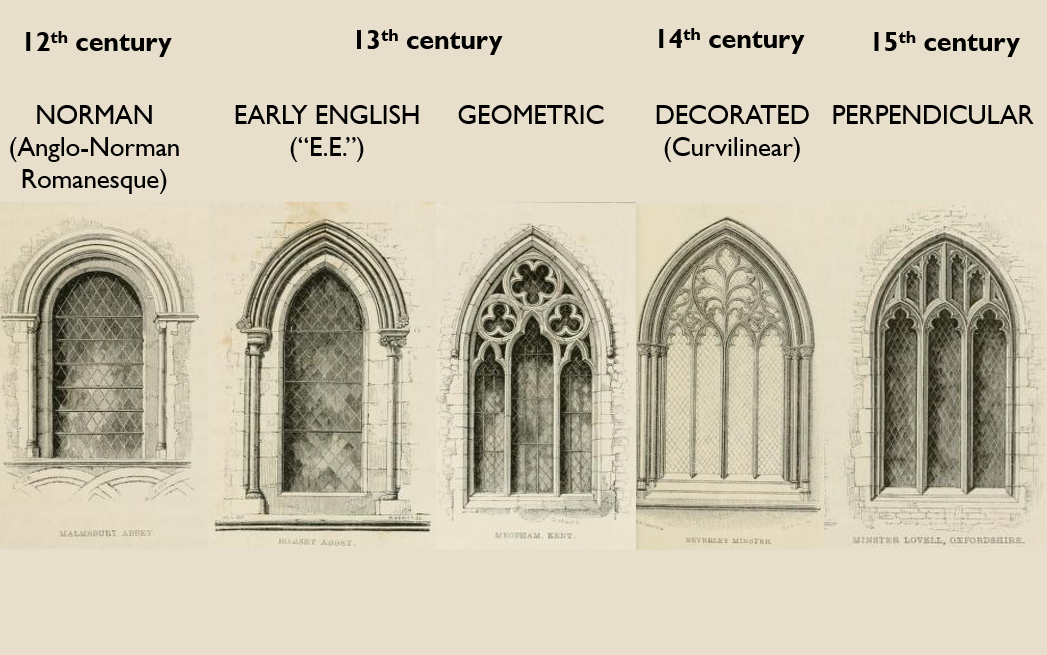
Churchcrawling is a learning experience. At first it can be intimidating how old anything is – is this Victorian, or medieval? At first it’s best not to worry too much, just become familiar with the feeling of public naves, the ornate ritual furnishings in chancels, and the secluded feeling of side chapels. Soon, you will quickly start to understand the significance of ancient Saxon remains from before the Norman Conquest, confident Anglo-Norman Romanesque, the experiments with Early Gothic in the later 12thc, the serenity of developed Early English Gothic, the florid complexity of 14thc Decorated, and the more standardised grid-like 15thc Perpendicular. But churchcrawling is an aesthetic, not an intellectual experience most of all: knowledge comes through repeated looking.
Recommended kit
Recommended are the Buildings of England – county-by-county editions originally masterminded by the art historian Nikolaus Pevsner. The newest editions cost around £30, but you can pick up the older editions – in which the medieval church entries aren’t that different – for around £5-10. What’s useful about Pevsners is they will make sure you don’t miss anything, it will highlight the most significant things, and give you basic, reliable info about just about every old thing in the church. They are far from infallible, especially on the building itself, but they’re indispensable.
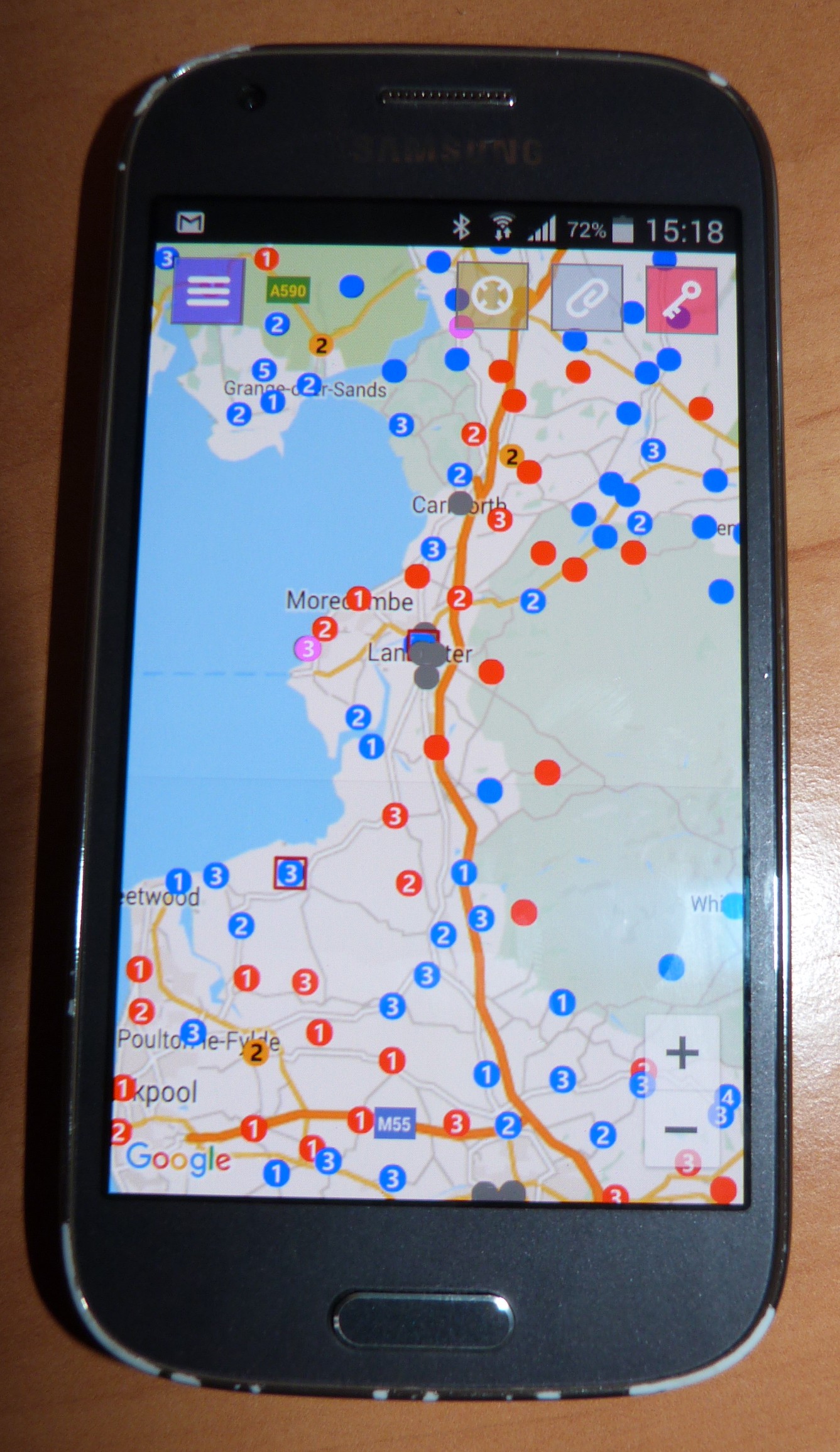
Also the Keyholder app, available for Android and Apple devices, is highly recommended for navigation and its user-supplied information on church access. The subscription rates are very reasonable (The £1.30 a month is best for semi-frequent churchcrawlers, and I cancel it in the winter). Be assured on Google Play, if you cancel your subscription you can use the fully-functional app for the rest of the time you paid for.
As for how to use your phone as a Sat Nav, to comply with new UK legislation it must be mounted in a secure cradle. I currently use this model and it’s doing well. Before I was using this thing but after I broke my second one (they have a weak point at the ball joint) I thought I needed to invest a little more.
Oh yeah, and a car. With MOT, road tax and driver insurance. You’re on your own there.
Which church and where?
Do not simply navigate to villages with your Sat Nav and expect to find the parish church. Some churches are bang in the centre, some hidden down a side street, and others way outside the town. Don’t use postcodes either: postcodes are for delivering mail, not for navigation. I find churches by using Google Maps on my phone, with the goto location in Keyholder. This guides you to the road closest to the actual position of the church building. Very occasionally, this has the drawback of taking you to a location you can’t actually get to the church from (most often a cul-de-sac where people’s gardens back onto the churchyard), but it’s the most reliable way.

Not all parish churches are marked on Google Maps (I add them when I find that they aren’t) Another problem is that there’s no generally-agreed format for what a church is formally referred to as. You will find some regions, particularly in more suburban areas, where village churches are referred to by their dedication, such as “St Mary’s”, “Holy Trinity”, or “All Saints”. The dedication is often relatively unimportant to the building and its history and I generally do not remember them (medieval records generally do not mention parish church dedications and it’s possible they changed more than people think). However, it is included for consistency, as in settlements with more than one church, it’s the only practical way to distinguish them, and also, it’s good confirmation you’re going to the right place.
Anyway, get visiting!
 Stained Glass Attitudes
You must be logged in to post a comment.